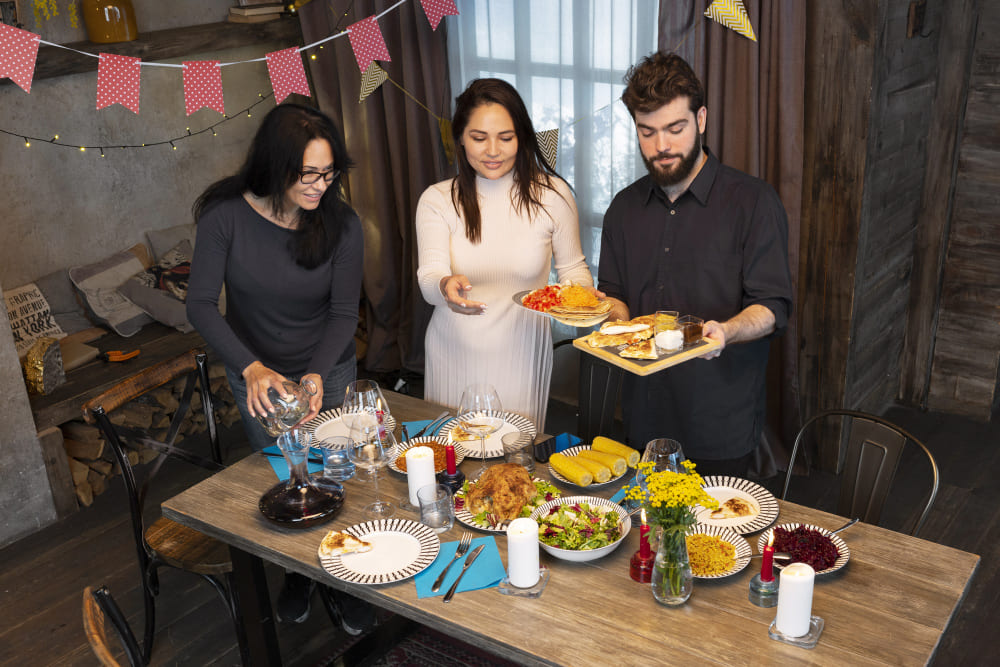
Why We Celebrate Everything with Food
Tim Schneider • October 9, 2026
Across cultures, generations, and borders, one thing remains constant: when there is something to celebrate, food is always present. Birthdays, weddings, festivals, achievements, reunions—even moments of comfort and healing—are marked with shared meals. But why does food play such a central role in our celebrations?
Food as a Universal Language
Food speaks when words fall short. A shared meal communicates love, gratitude, and belonging without the need for explanation. Regardless of language or culture, offering food is a gesture of welcome and care.
In celebrations, food becomes a symbol of connection—bringing people together around a common table.
The Emotional Power of Shared Meals
Eating together creates emotional bonds. When we share food, we share time, attention, and presence. This collective experience strengthens relationships and builds memories that last longer than the event itself.
Food Marks Life’s Milestones
From birth ceremonies to funerals, food accompanies every major life transition. It grounds us during moments of change—whether joyful or difficult. Celebratory meals help us process emotions, honor traditions, and acknowledge growth.
Cultural Traditions and Rituals
Many traditional dishes exist solely for celebrations. They are prepared only on special occasions, making them meaningful and memorable. These foods connect us to our heritage and preserve cultural identity through generations.
Food Creates a Sense of Abundance
Celebrations are about abundance—of love, happiness, and gratitude. A table filled with food represents prosperity and generosity. Offering more than enough food is a way of saying, “You are welcome here.”
Comfort, Joy, and Nostalgia
Certain foods instantly bring comfort. They remind us of family gatherings, childhood moments, and festive traditions. This emotional association turns food into a source of joy beyond physical nourishment.
Why Sweet Foods Symbolize Happiness
Desserts are central to celebrations because sweetness represents joy and reward. From cakes to traditional sweets, sugary treats mark achievements and happy moments. They serve as a sensory expression of celebration.
Food as a Social Glue
Food naturally slows people down. Sitting together to eat encourages conversation, laughter, and storytelling. In celebrations, meals become the space where connections deepen and relationships grow.
Modern Celebrations and Food
Even in today’s fast-paced world, food remains at the center of every celebration. Whether it’s ordering takeout or hosting elaborate feasts, the act of sharing a meal continues to define meaningful moments.
Celebrating the Everyday
Food is not just reserved for major events. Small wins, personal milestones, and everyday joys are often celebrated with a favorite meal or treat. This habit turns ordinary moments into meaningful experiences.
Final Thoughts
We celebrate with food because food represents care, connection, and community. It nourishes the body while feeding the soul. In every culture and every era, food remains the heart of celebration—reminding us that joy is best shared.